


Plagiarism prevention for your thesis: what counts as plagiarism, how lecturers detect it and how to avoid it with clean citation, careful paraphrasing and a check before you submit.
Plagiarism prevention for your thesis: what counts as plagiarism, how lecturers detect it and how to avoid it with clean citation, careful paraphrasing and a check before you submit.
This comparison of plagiarism checkers for 2026 shows which of twelve premium tools actually detect verbatim borrowing, paraphrases and passages translated from English into German. Every provider was tested with the same German test document and the same 50 test cases. Mimir Mentor scores 80 out of 100 points and comes in ahead of Scribbr and Paperpal.
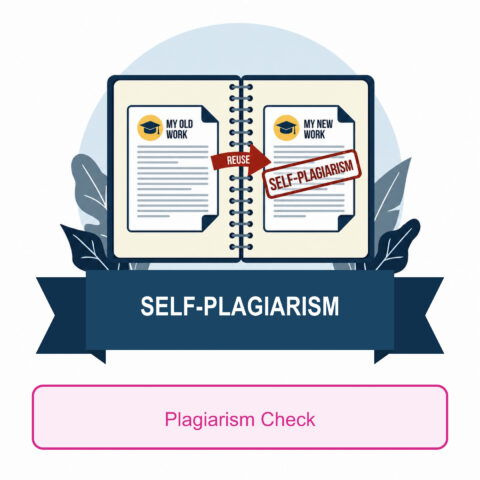
As a student you often have to cover an enormous amount of ground in limited time, so falling back on your own earlier papers feels efficient. That is exactly where an underestimated risk sits: self-plagiarism. Reusing your own submitted or published text and data without citing it breaches academic integrity.
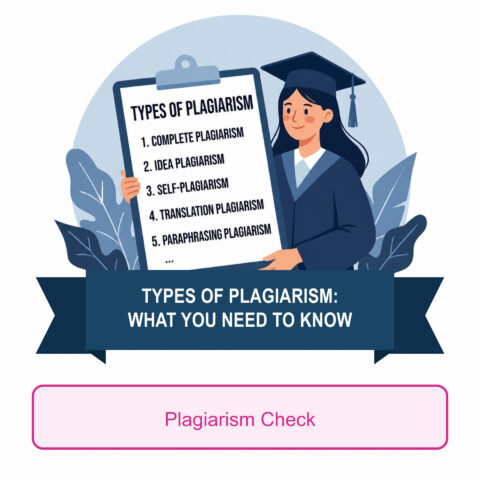
Anyone writing an academic paper knows the worry: did you really cite everything correctly? A careless mistake can quickly turn into an accusation of plagiarism, with consequences ranging from a lower grade to expulsion. This guide covers the seven types of plagiarism, how to spot each one in your own work, and how to avoid them.
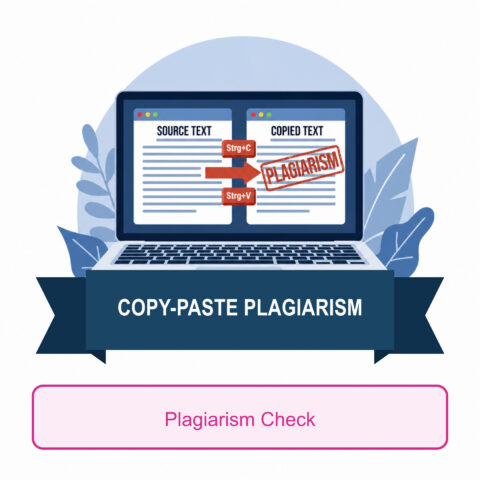
Copy-paste plagiarism is the academic mistake with the most serious consequences, and the easiest one to prove. This guide explains what it is, what happens if you are caught, and how to protect your work with the right writing habits and a proper plagiarism check.
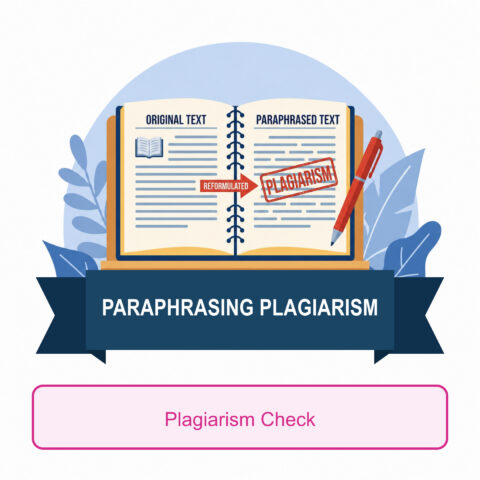
Paraphrasing plagiarism is the trap students fall into most often, usually without meaning to. It is not about copying sentences word for word, but about taking over the ideas and structure of someone else’s text without marking it properly. This guide shows where the line runs and how to stay on the right side of it.
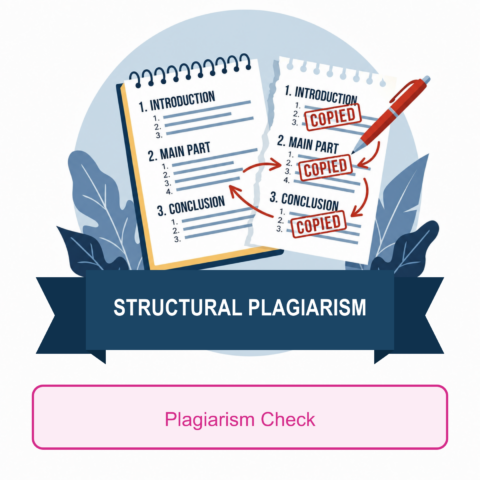
You have spent hours on your paper. Every quotation is in place, every source is in the bibliography. And yet something nags: could you have missed a form of plagiarism even though not a single sentence was copied? That is where structural plagiarism comes in.
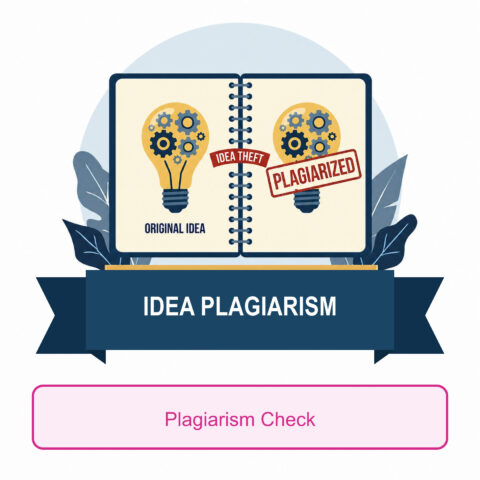
Idea plagiarism means taking someone else’s concept, theory or line of argument and presenting it as your own, even when every word is new. This guide explains how it differs from verbatim plagiarism, how examiners spot it and how to cite ideas properly.
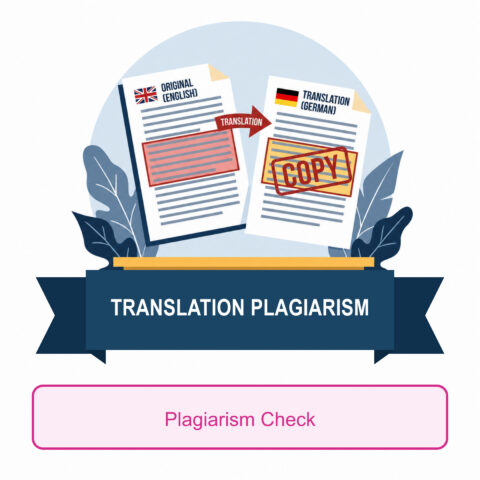
Translation plagiarism is easy to miss, because a translated passage looks original at first glance. What counts is not the language but the origin of the thought: if you translate or restate a foreign-language source, you still need a clean citation.