


Your paper is due and one question keeps nagging at you: how do professors check for plagiarism exactly? This article makes the process transparent, from the software analysis to the manual signals that make a professor look twice.
Your paper is due and one question keeps nagging at you: how do professors check for plagiarism exactly? This article makes the process transparent, from the software analysis to the manual signals that make a professor look twice.
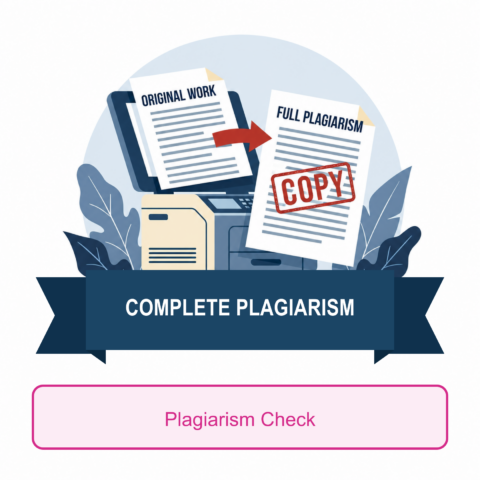
Complete plagiarism means submitting someone else’s whole paper, or a substantial part of it, as your own. It is the most serious form of academic misconduct. This guide explains how it is defined, what happens when it is found and how to protect yourself.
The consequences of plagiarism range from a fail on a single assessment through to expulsion and a revoked degree. This guide sets out the three levels of consequence, how an academic misconduct procedure works and how to protect your work before you submit.
How does plagiarism detection actually work, which types of plagiarism are caught, and what does the similarity score really mean? This guide walks you through the technology step by step and shows you how to read your report.
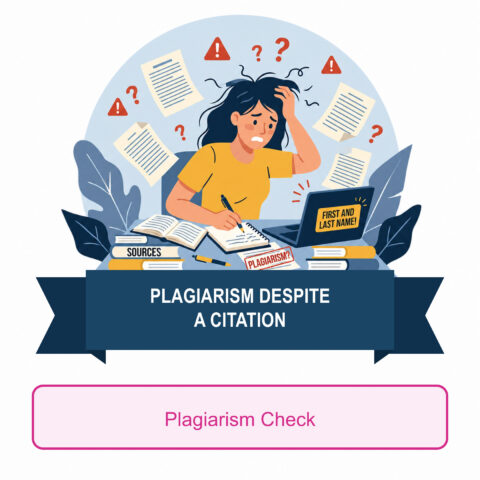
You named every source and still face a plagiarism allegation. This article explains why a source reference alone does not protect you, which mistakes cause plagiarism despite a citation, and how to secure your work before you submit.
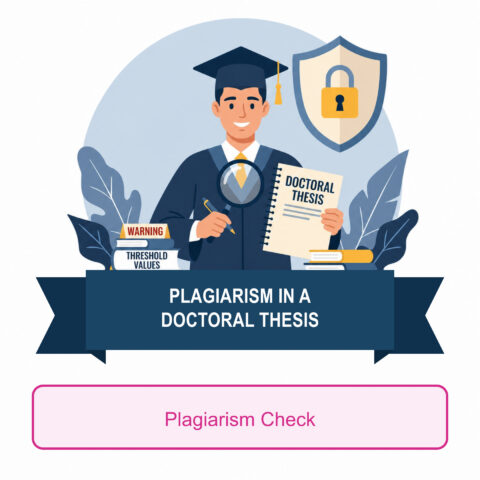
Plagiarism in a doctoral thesis can cost you your degree years after the defense. This article explains where the line runs, what the consequences are and how to secure your dissertation before you submit it.
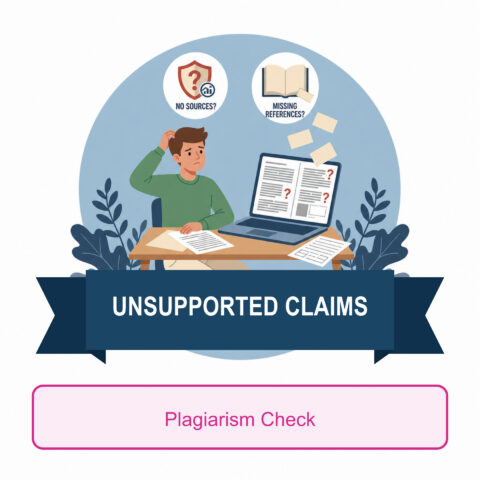
Unsupported claims weaken a paper even without plagiarism. Learn which statements need a source, how unsupported claims arise and how to find and fix them before you submit.
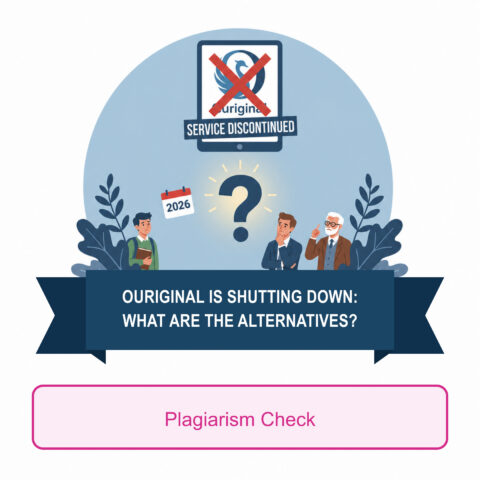
Ouriginal was discontinued on 30 June 2026. If your institution worked with Ouriginal or Urkund, you now need a successor for plagiarism checks, reports and review workflows. This guide compares the alternatives for universities and shows students how to check their own text before they submit.
Famous plagiarism cases look like headline material at first glance. For students they matter for a different reason: they show how similar the patterns behind small and large violations really are. It is almost never about one forgotten footnote, but about sloppy source work, text that stays too close to the original, or a lack of transparency.